BRING IT ON !!!

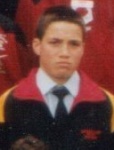
Sonnybill Williams
Tournament History
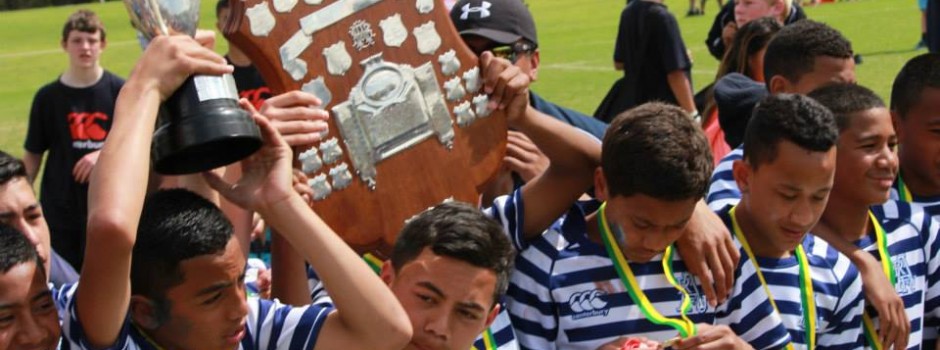
It started when in 1924 the Northern Roller Milling Company (then a Flour Company) located in Fort Street in Auckland presented the Shield for competition between primary school teams from any rugby unions within the Auckland province.The first Tournament was held in Auckland in 1925 with the following teams competing Auckland, Franklin, Tauranga, King Country, Hamilton, Whangarei & Goldfields (Auckland Star 1925).
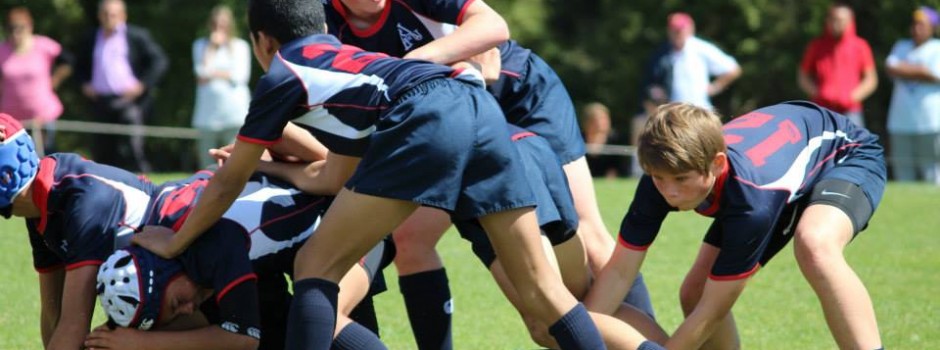
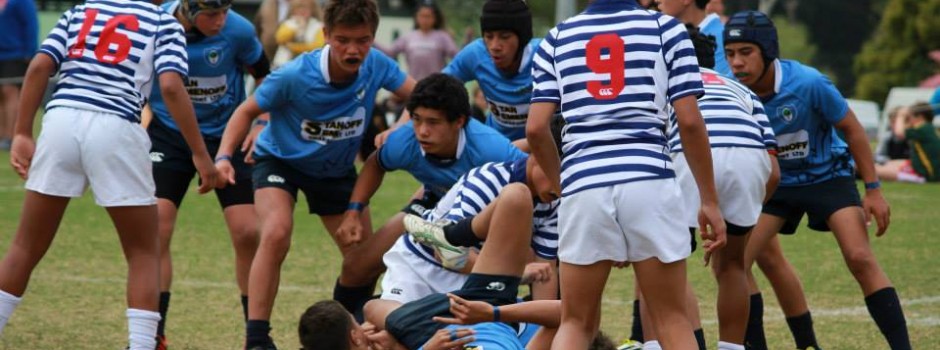
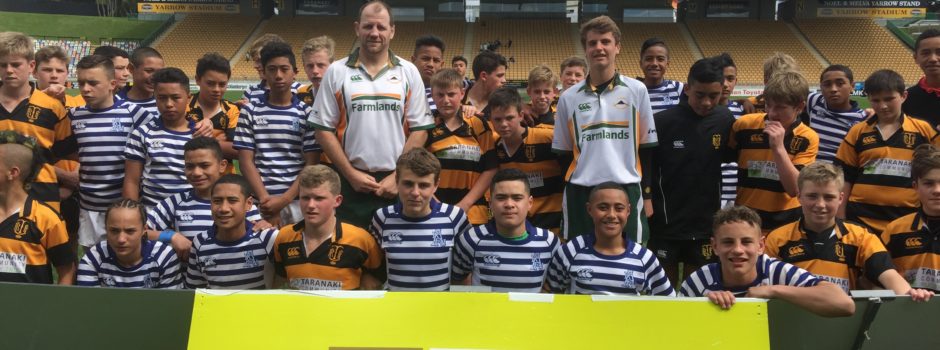
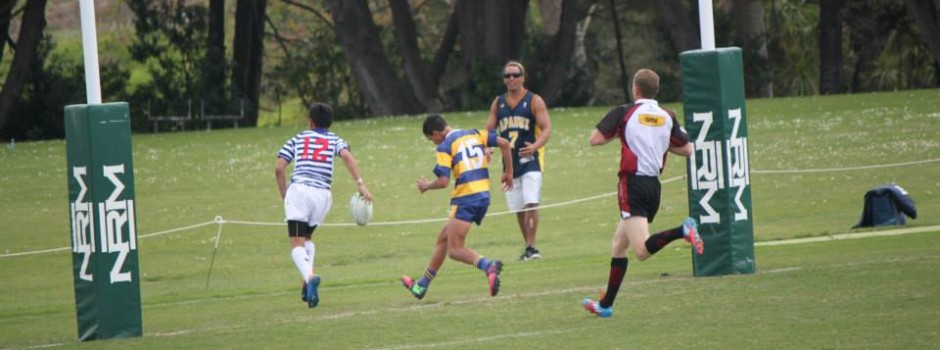
What you'll see if you attend one of these games is a bunch of very skilful 12-13 yr olds, proudly
wearing their union colours, these are no names, they play the game that they love, it's bred into
them from the generations before them. You will see kickers kicking penalties from the halfway
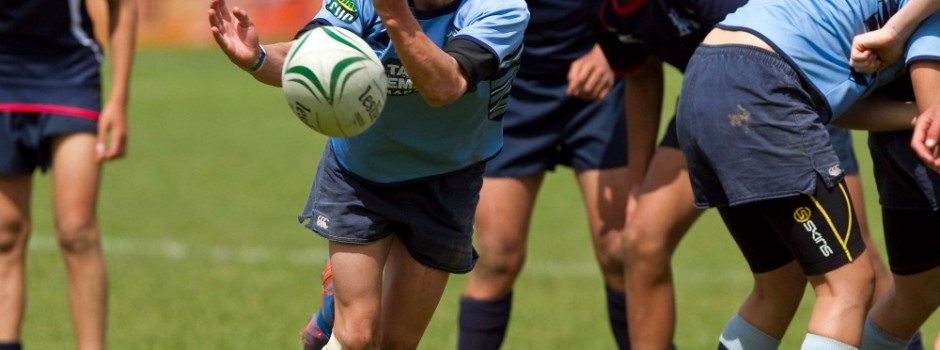
line, front rows trying to destroy other front rows, half backs that have a pass equal to a 1st
15 player....these are our future.
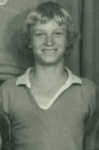
Grant Fox
Here they will experience the hardest rugby in there young careers and take away a lot of memories that the likes of Grant Fox, Colin Meads, Michael Jones, Stephen Donald etc. still talk about it today as if it was yesterday.
The competition is tough, 4 Points are awarded for a win, bonus point if scored more than 4 tries, 2 points for a draw, 1 point for the losing team if within 7 points. It is a week long tournament and each union plays a pool round of 4 games trying to make the top 2 to play in the finals on Friday and Saturday. 6 games over 7 days with 1 bye day.
*The 2005 North Harbour team lost ONLY one game and ended up
in 5th position.
*The 2002 Auckland East had a total of 11 points scored against them
they too ended up in 5th position
Keiran Read
The present format sees the 9 (possible 10) teams being drawn from a hat to make up two sections (4 teams in one section/5 teams in the other section), The two sections play a round robin draw before the five teams are seeded from one to five(or one to four). On the Friday, semi finals day, there are the crossovers where the 1st seed from section A plays the 2nd seed from section B and 2nd in section A plays the 1st in section B to determine the finalist to play off the coveted Roller Mills Shield. 3rd in section A plays 4th in section B and 4th in section A plays 3rd in section B and so forth. 
Anthony Boric
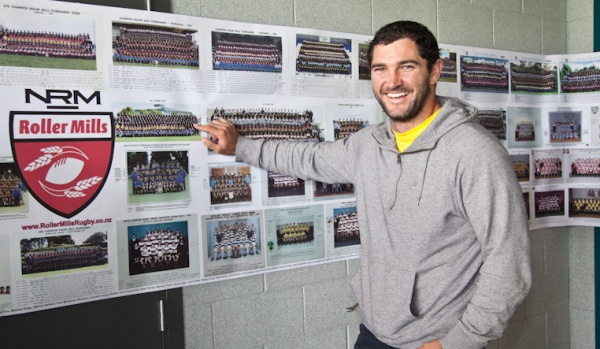
Stephen Donald pointing to his 1996 Roller Mills photo
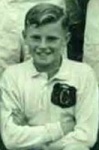
Another Famous ALL Black, Colin Meads, King Country 1948 Roller Mills Team.
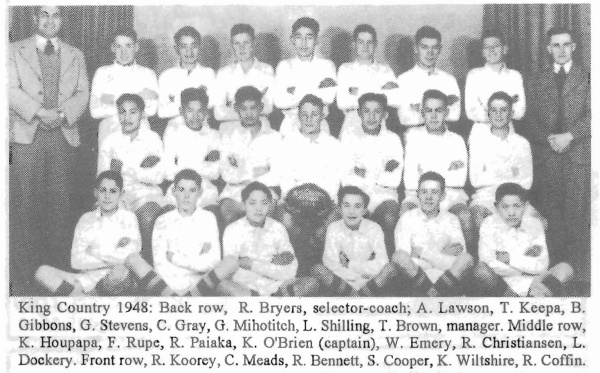
*Ron Bryers selector-coach became an All Black in 1949
This is grassroots rugby !!!
OPPORTUNITY KNOCKS
"Well, it's up to him now, he's got his chance, he has made the 'squad."
A casual, parental remark that I overheard at a final trial several years ago, after an Auckland West training group had just been announced. What is implied? As I see it, simply this:
A Roller Mills side is the first truly representative team that a Primary schoolboy can get into. Although at the time he doesn't realise it, all the inconvenience, raining, sweat, publicity and glamour attached to the Provincial scene is there, but on a miniature scale.
As a result of selection, the lucky Roller Mills player often changes in senior dressing rooms, wears his Union's colours enthusiastically and runs out the players' tunnel, so often seen on T.V., on to many of the major grounds from Taumarunui over to Rotorua, Whakatane, back past the Test ground at Eden Park and through to Okara Park in the North.
Players become associated with names, numbers, opponents and position in colourful programmes in curtain-raisers to their current Representative or All Black heroes, for the first time.
Atmosphere develops and a healthy, youthful tension actually appears, as the dressing room ritual unfolds, without murmur or protest, amidst the smell of linament and soft crackle of tape and bandage. Team talks are delivered, extremely hard games are played, success and disappointment colour feelings only momentarily at this young age, then come the speeches and the inevitable "do" after the game, with its fraternising, starts to assume some significance.
Perhaps more important through, is the fact that most boys find themselves subject to a certain type of discipline that they haven't faced before.
At this higher level, no one is a star. Being captain or top points scorer, in the club or school side, counts for nothing. Other boys run as fast, tackle just as fiercely, field competently and tries simply don't come.
There is visible uncertainty! Am I in the team or am I a reserve?
The result of course, is a Coach's dream. A team spirit quickly develops through this competition for places and training, although hard and tough at times, is usually very fruitful, especially when it is constructive and interesting.
Indeed, the boy has reached the first Crossroads in his Rugby career. Will he listen? What will he absorb? How will he react and will he carry on?
Most teams have for coaches, teachers who are the best that the respective union and Primary School Service can recommend, in any particular area, in a given year. Practices invariably incorporate the essential basic skills. The value of sound unit and team drills are given great emphasis. Intelligent suggestion and advice is freely passed on and if interpreted correctly will quickly mould a boy's early Rugby character.
The seeds are often sown at Roller Mills.
"Opportunity Knocks" as the saying goes. The Provincial Panorama, with all it entails, has come his way. If the lad responds, the Players' Tunnel will open again to greater games and memorable social experiences.
Player maturity, surely begins, only, "If he takes his chance."
Pat Sheehan, Life Member A.P.S.R"U. (1991 Programme) (Pat also went on to coach the North Island Under 17's and the NZ Under 17 teams.)
Who are NRM?
1859 John Lamb took over Waitemata Flourmills
1875 Lamb purchased the Fort St site in Auckland city
1888 Lamb moved his Mill to Fort St, and renamed it Auckland Roller Mills
1889 Auckland Roller Mills merged with Firth's Eight Hour Mill
1899 Combined operation renamed The Northern Roller Milling Company (NRM)
NRM is one of New Zealand's Oldest and largest stockfeed company feeding a diverse range of animals, from calves and chickens to horses and pigs. They have 6 feedmills covering the lenght of the country, which manufacture our feed thanks to the support of our customers, New Zealand rural communities.www.nrm.co.nz
We are now on Facebook !! Here you can ask some of this & past years Coaches & Managers questions or just find some old team mates

Name Search